
Established in 1947 at the base of the Aravalli ranges, we work to uplift tribal and underprivileged communities through education, skills, and social awareness.
Adivasi Seva Samiti, located in Shamlaji, Gujarat, was established in 1947 with the goal of uplifting tribal and underprivileged communities through education and exposure to the mainstream of living.
The foundation was laid by late Shri Narsinhbhai Bhavsar (Motabhai). The mission was carried forward by late Shri Premubhai Thaker and is continued today by Shri Dipak Thaker, strengthening the institute’s commitment to social upliftment
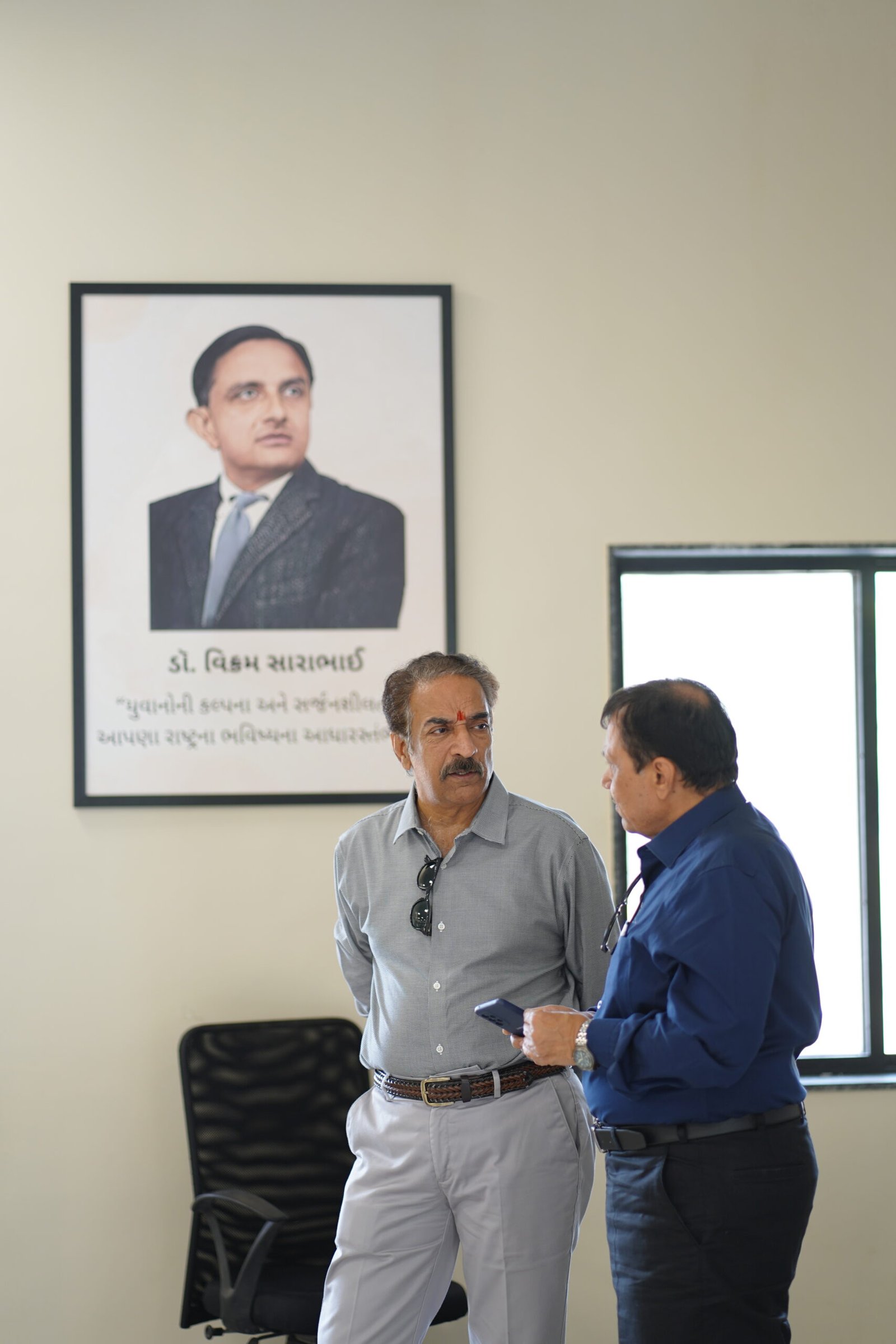
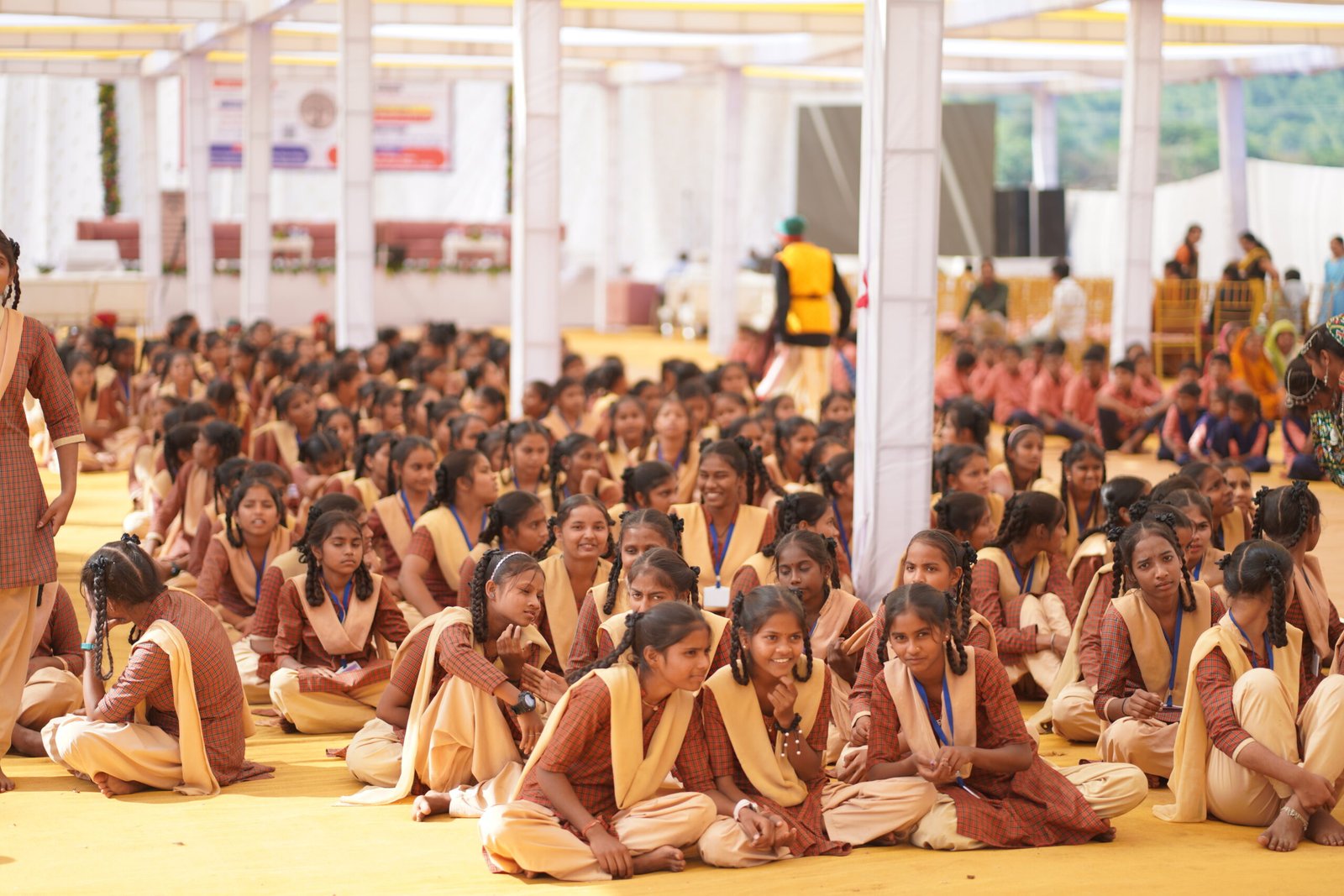
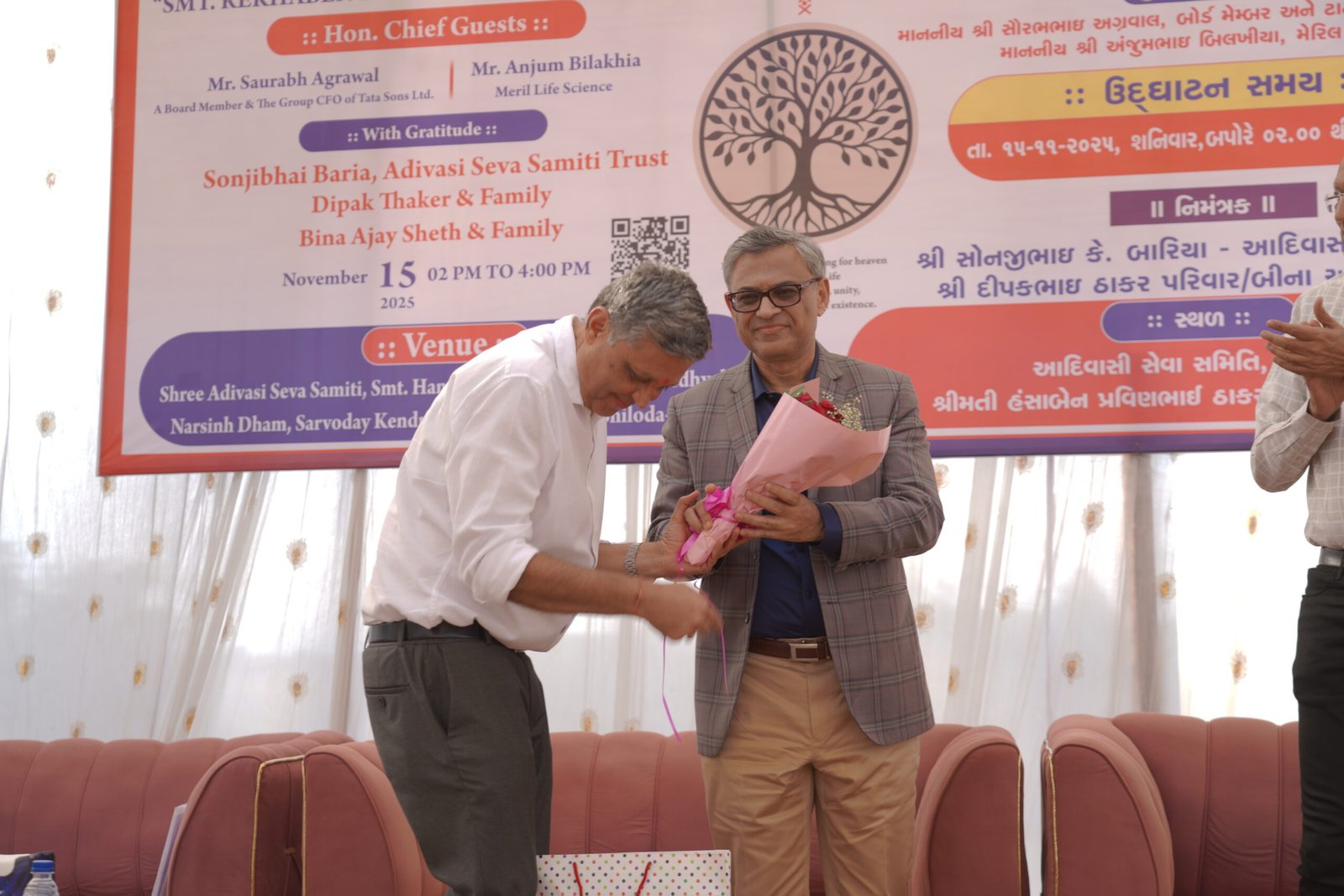
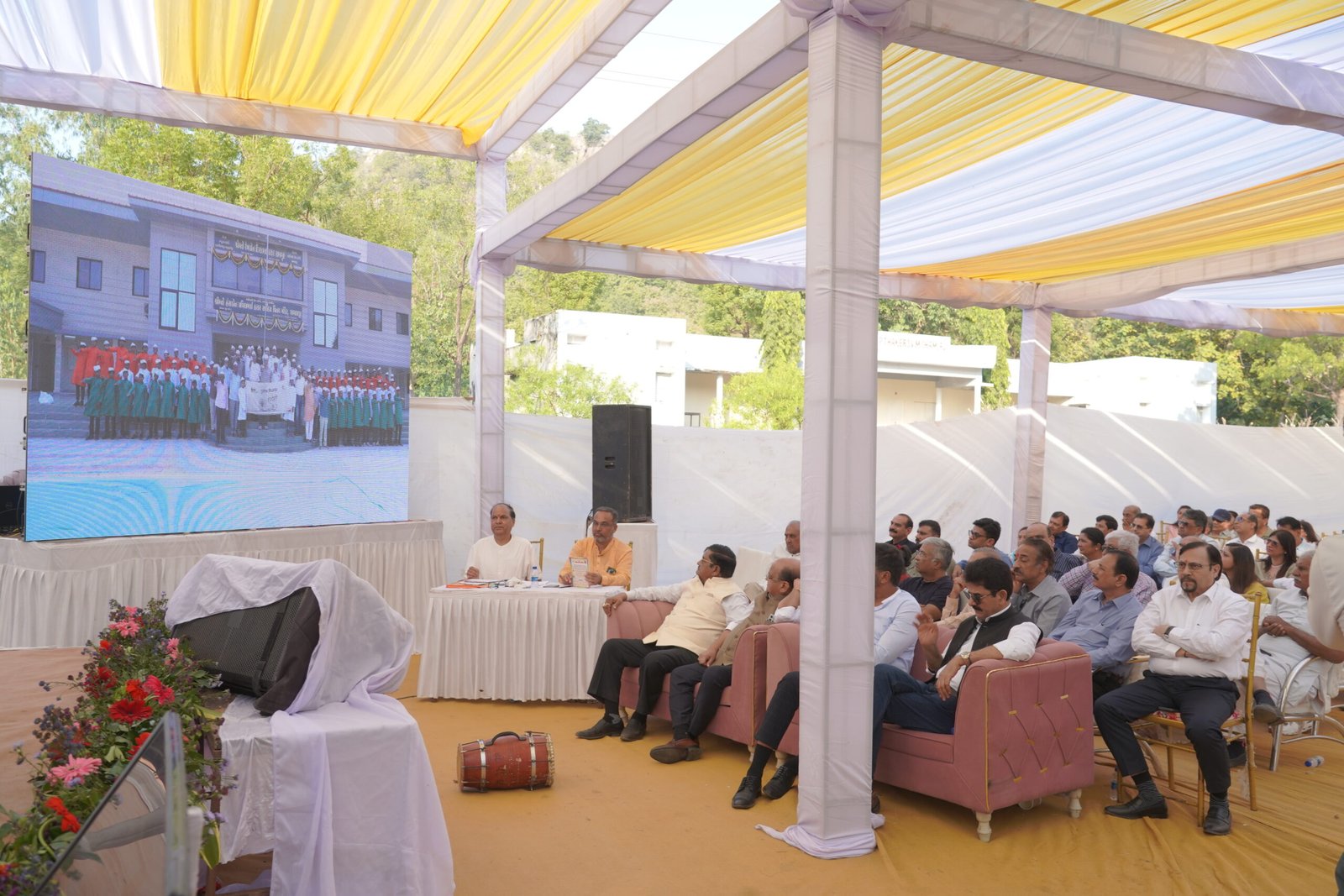
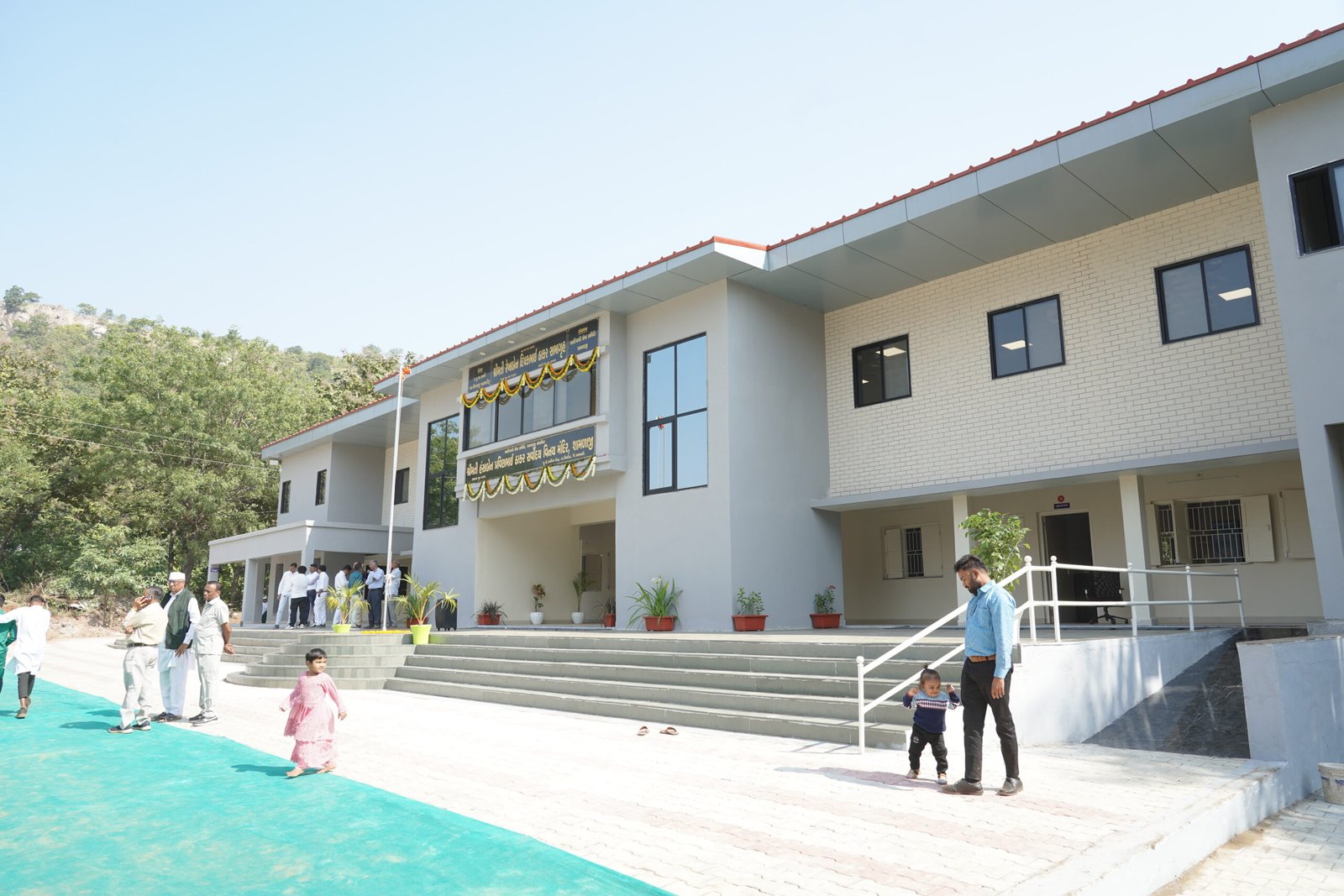
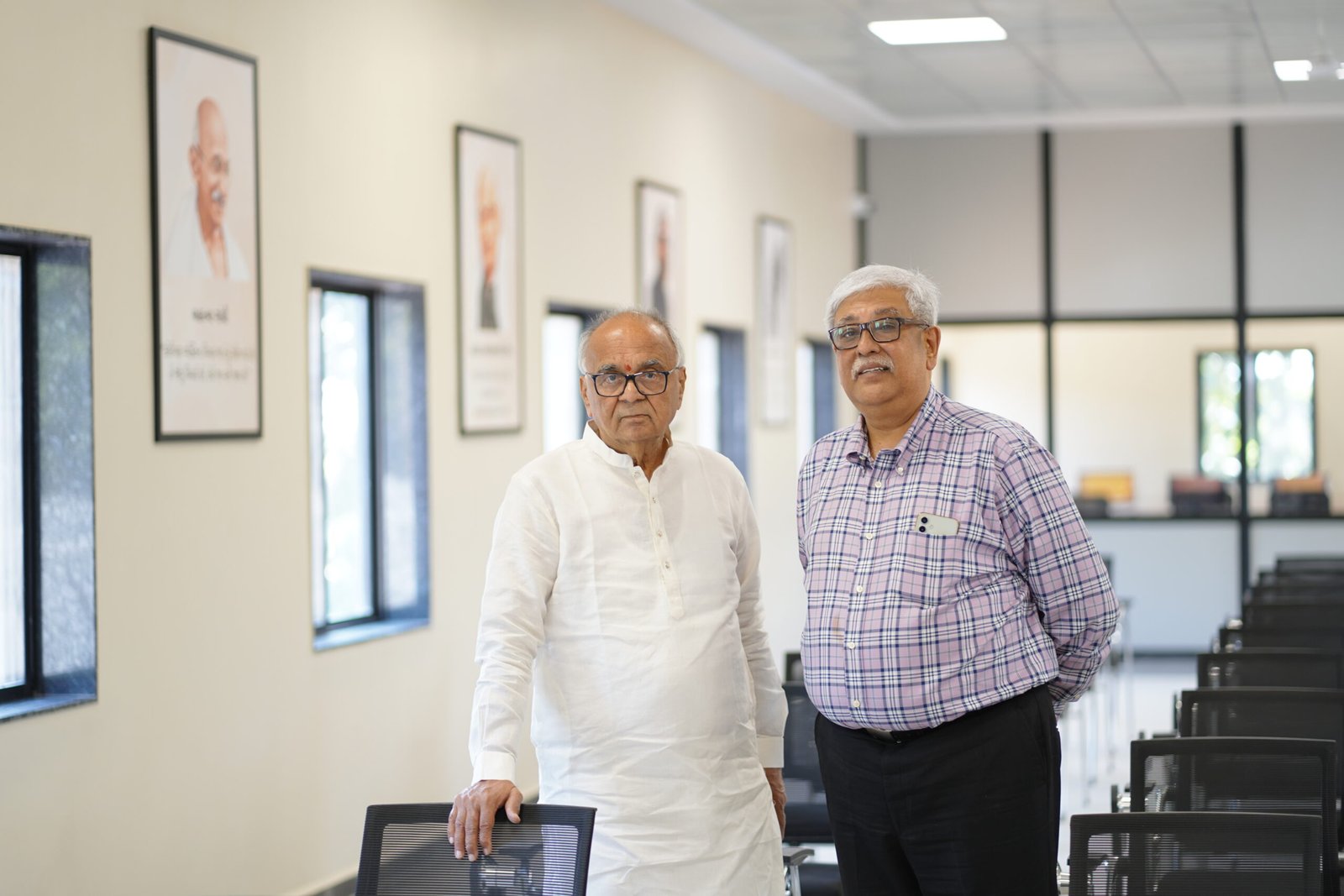
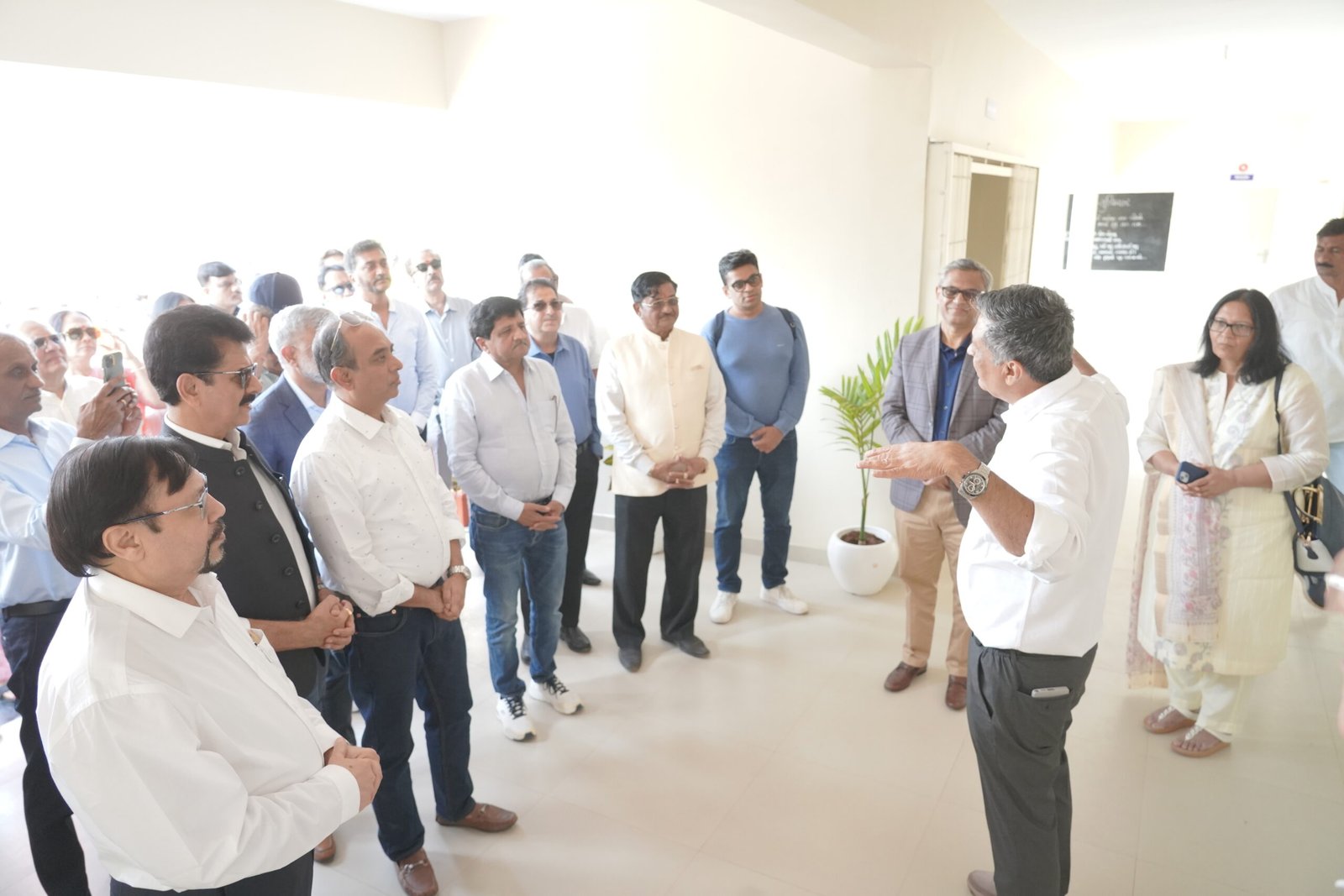
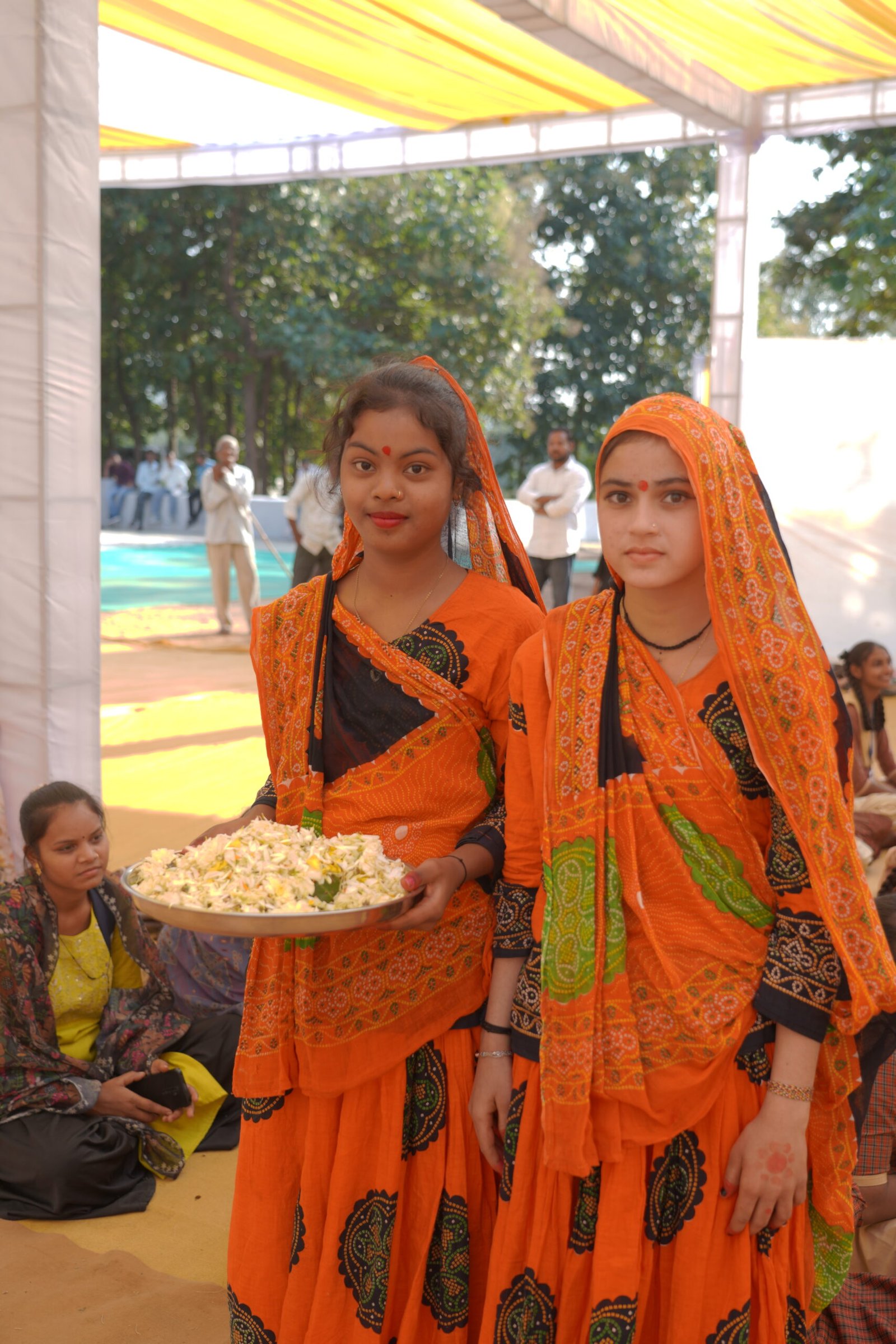
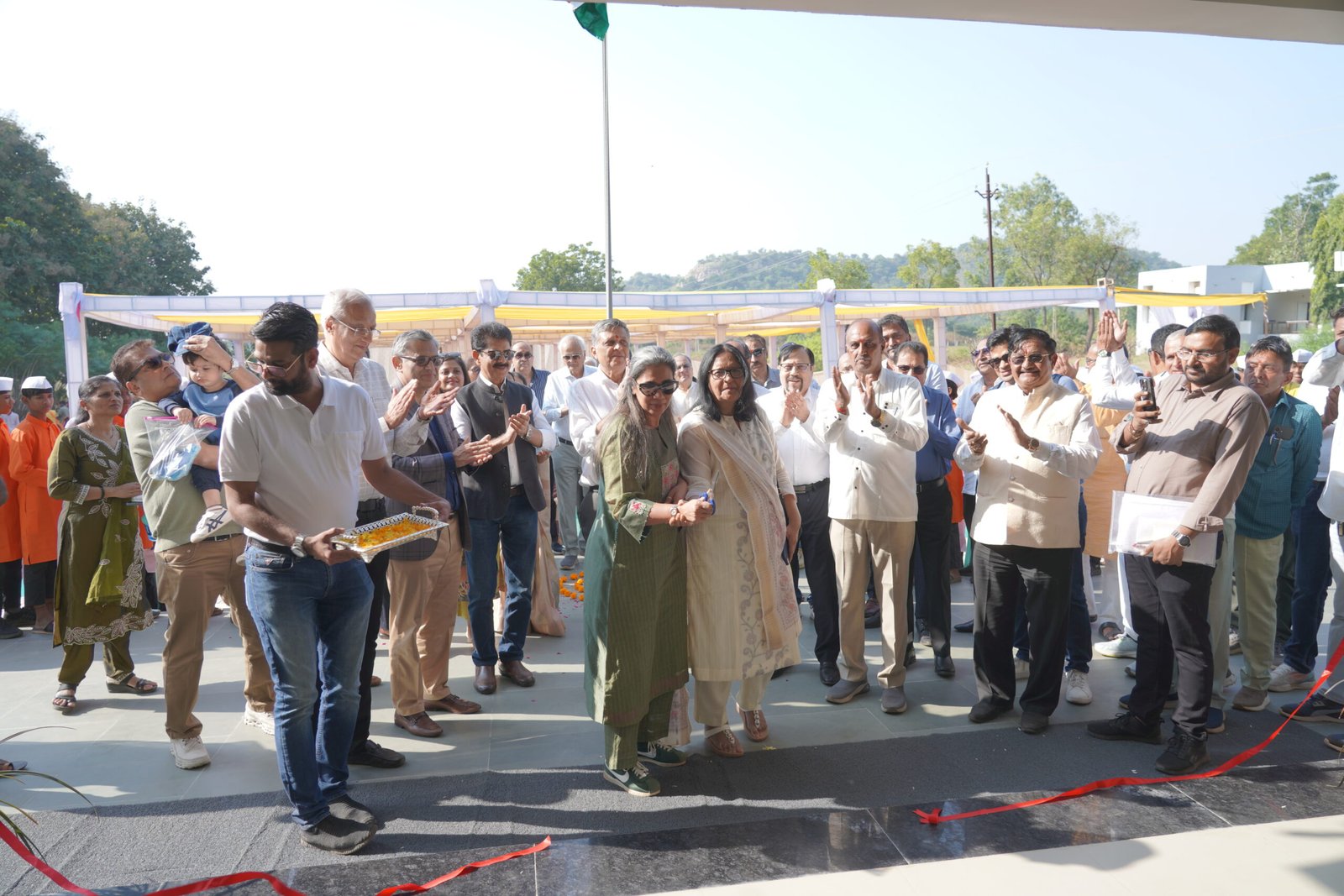
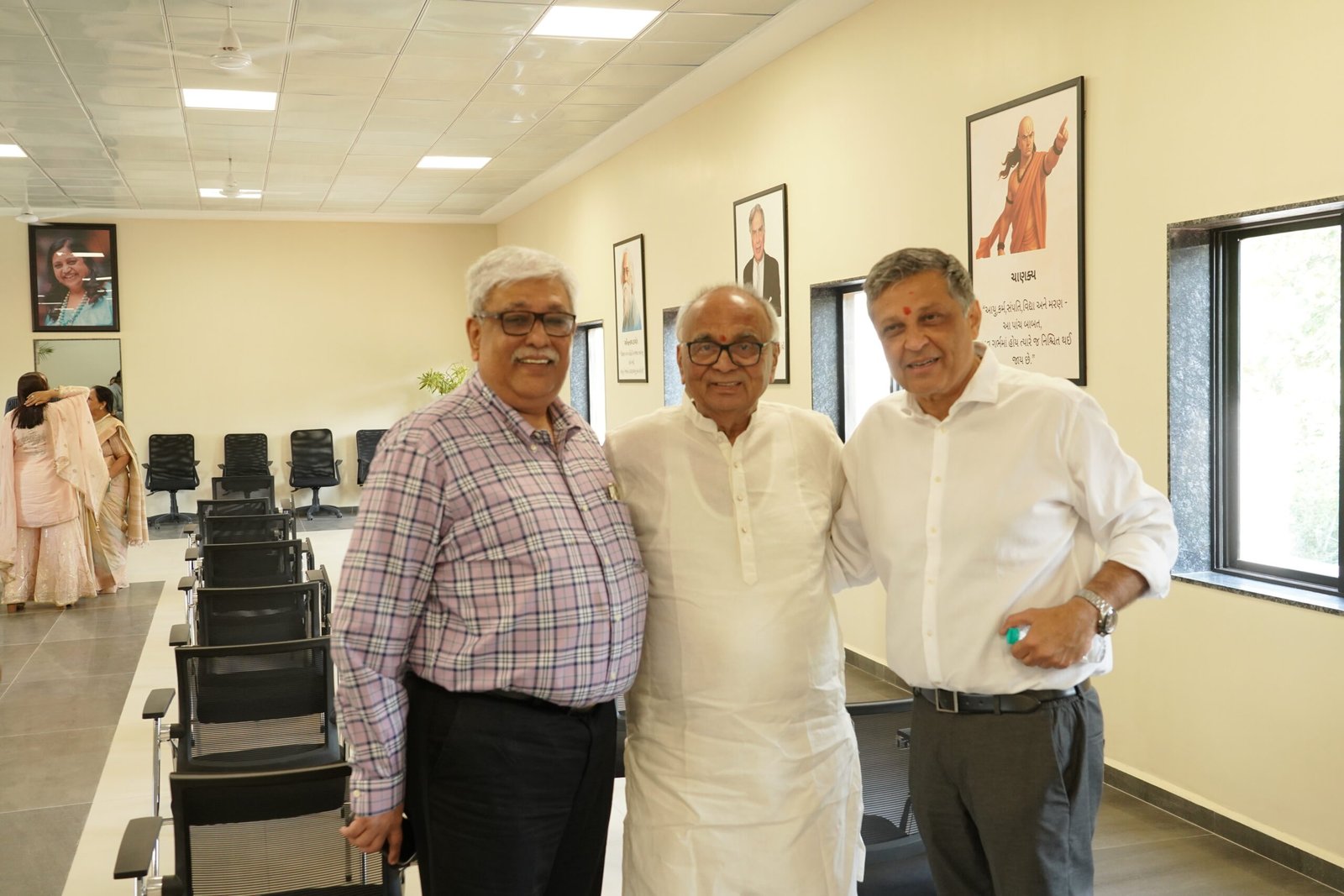
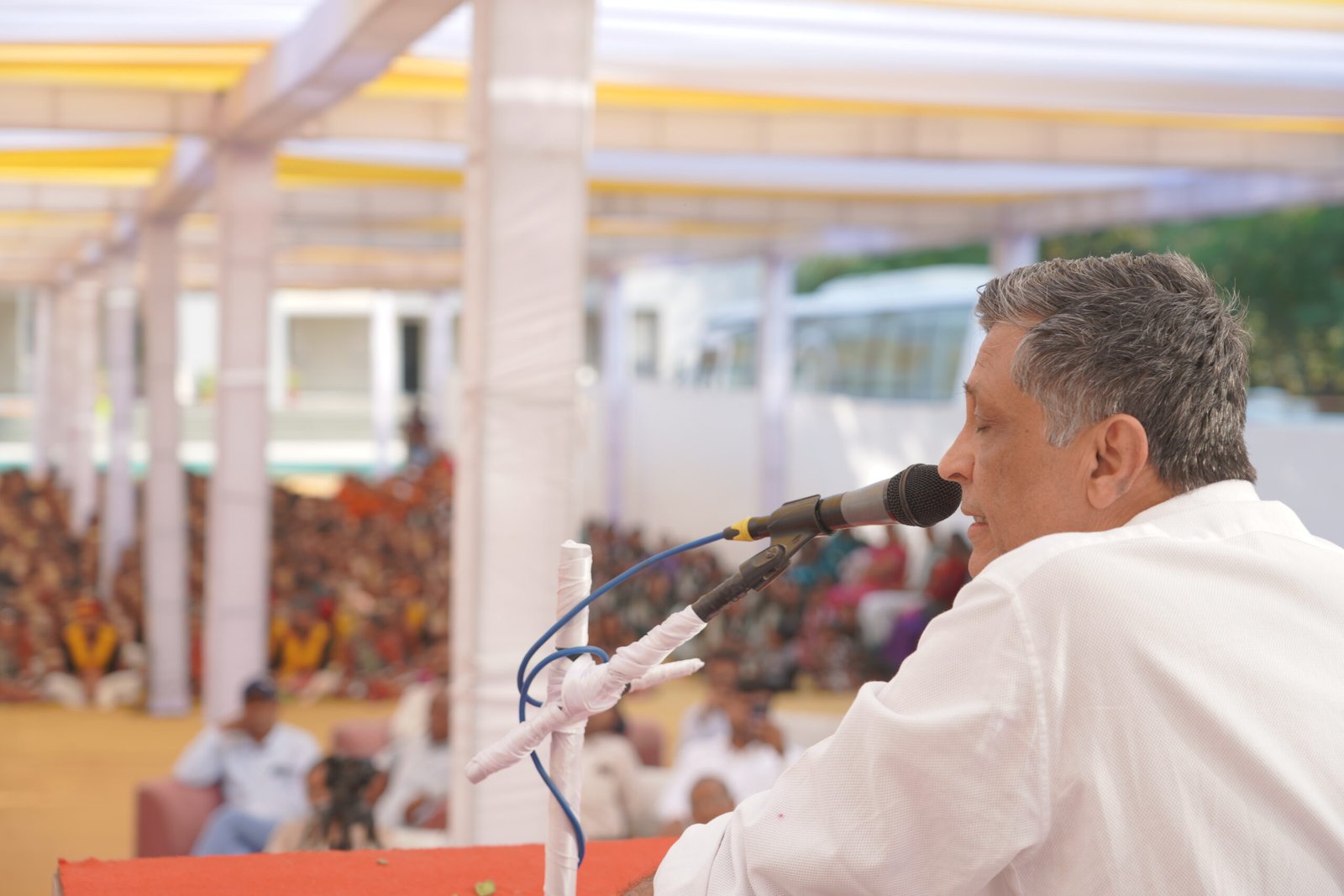
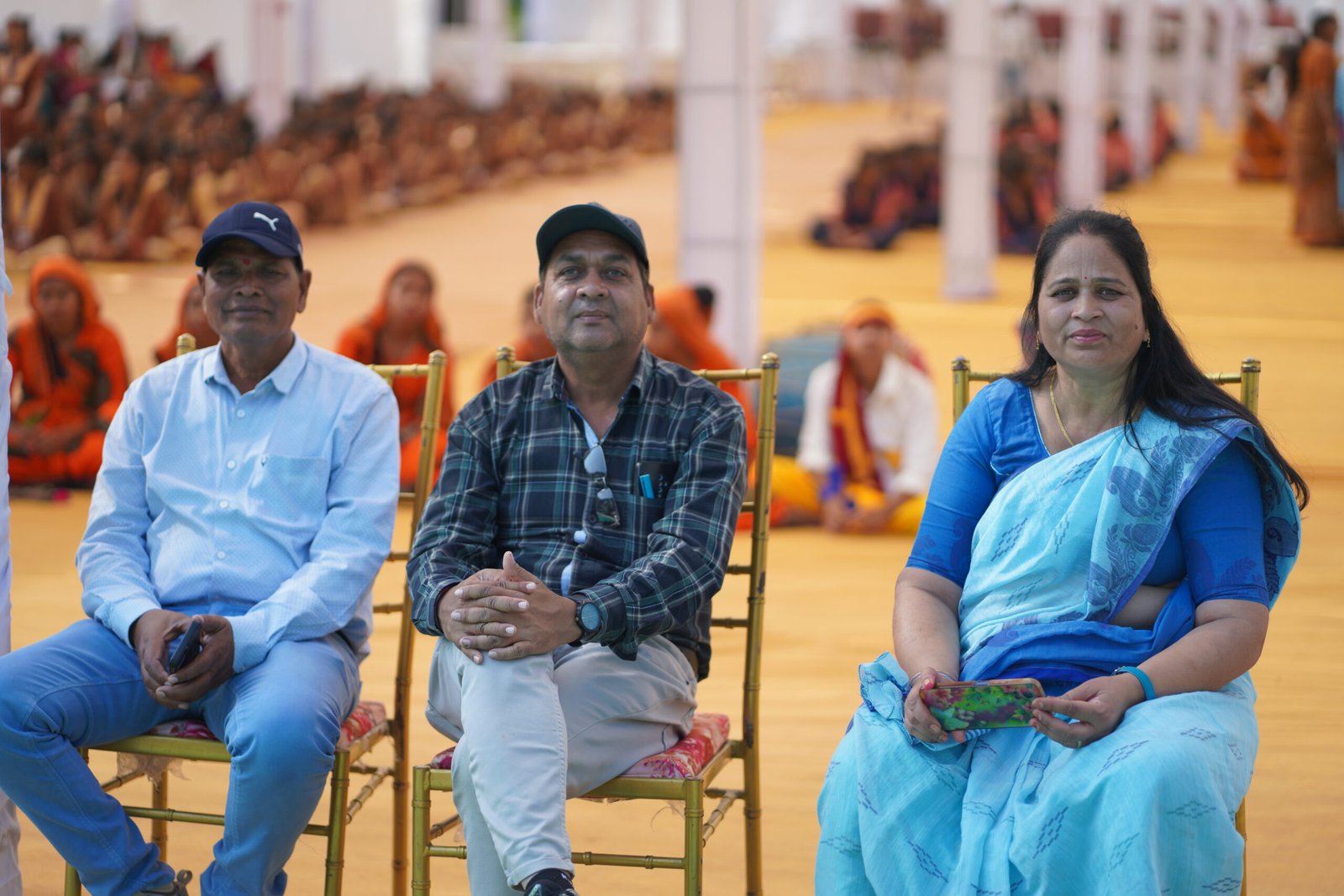
Our trustees provide direction and oversight to ensure the samiti remains focused, transparent, and impact-driven.
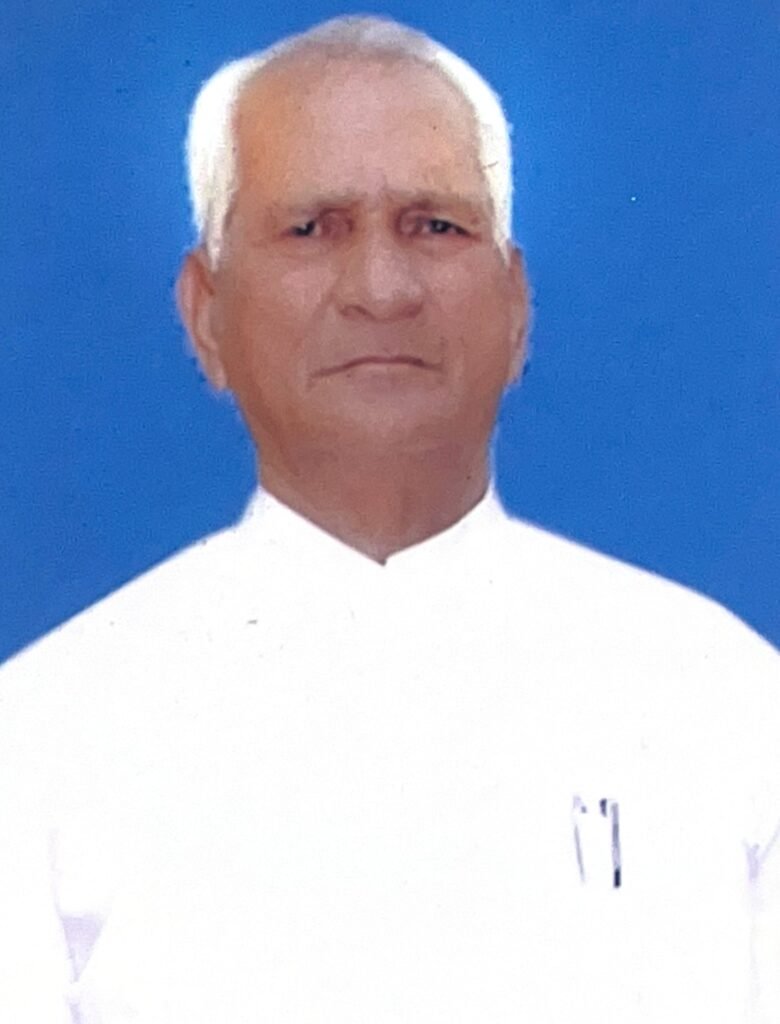
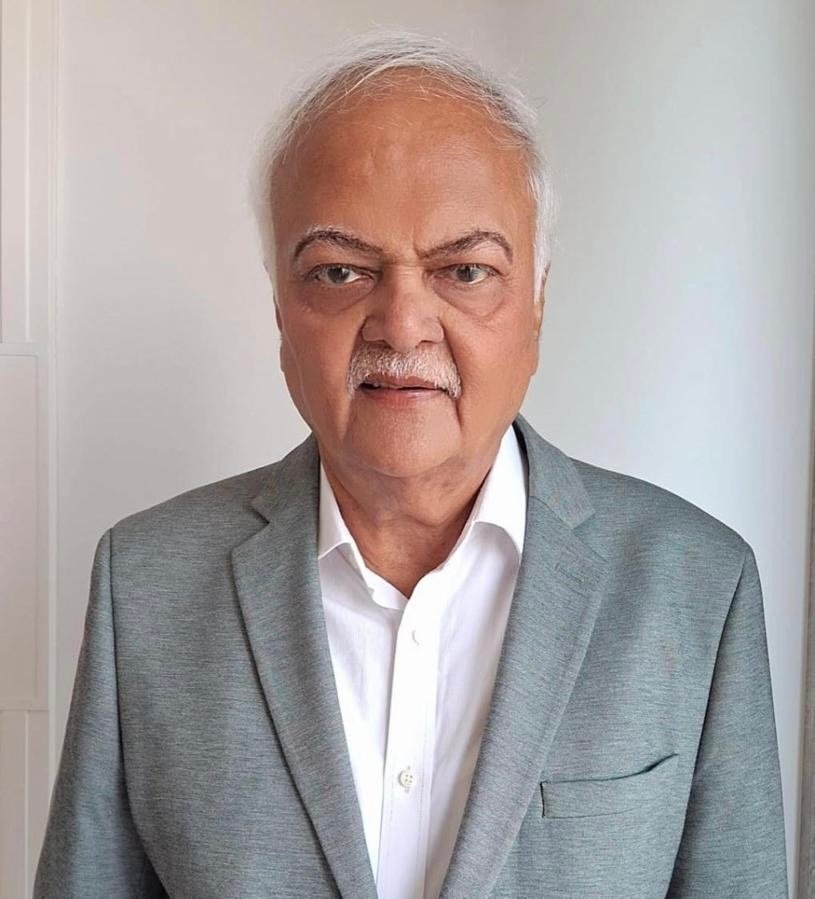
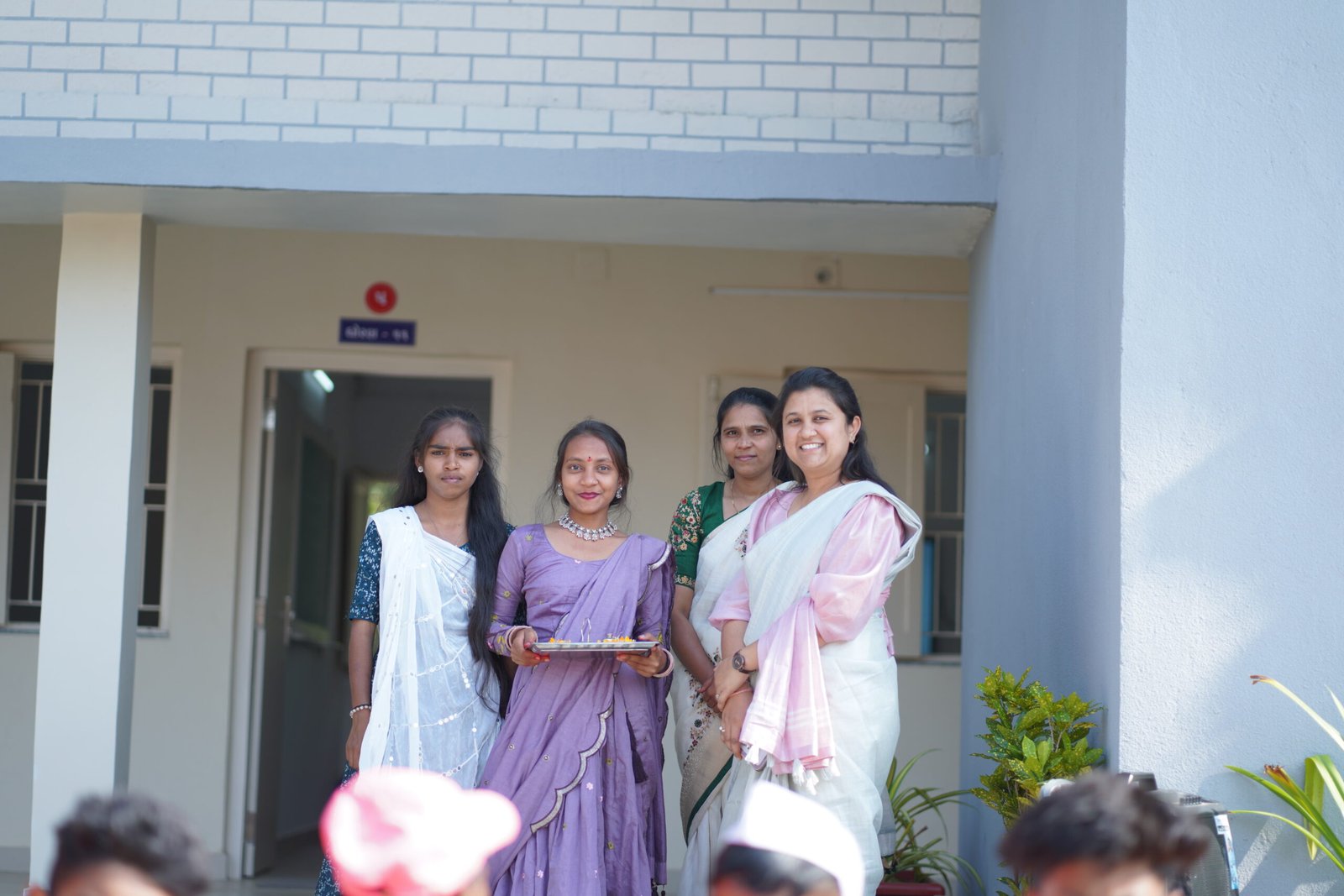
A committed team of educators and staff ensure students receive consistent learning support and a safe environment.
Supports governance, long-term planning, and partnerships to strengthen our institutions.
Supports governance, long-term planning, and partnerships to strengthen our institutions.
Supports governance, long-term planning, and partnerships to strengthen our institutions.
Our work focuses on education, student development, and practical exposure that helps children become confident and self-reliant.
We run schools and institutes, including separate schools for boys, girls, and younger children.
Some schools offer lodging and boarding facilities to support students from remote areas.
Students gain exposure to growing vegetables, fruits, and medicinal plants for self-reliance.
With committed teaching and support, student performance has improved over time.
The area around the Samiti faces challenges such as limited water facilities, poverty, illiteracy, and infrastructure gaps. We address these through education, awareness, and skill development to improve quality of life.
To nurture children with skills that enable them to earn a livelihood, contribute meaningfully to society, and live with dignity.
To empower Adivasi communities by addressing challenges of poor water facilities, poverty, and illiteracy, while creating access to quality education and exposure to science, technology, and modern learning opportunities for sustainable development.
A few words that reflect the trust and impact built through education and consistent support.
The school environment helped our child stay focused and continue learning with confidence.
Parent
The school environment helped our child stay focused and continue learning with confidence.
Parent
The school environment helped our child stay focused and continue learning with confidence.
Parent
The school environment helped our child stay focused and continue learning with confidence.
Parent
Quick answers to help donors and supporters understand how the samiti operates and how contributions are used.
A non-profit organization working for the education and development of Adivasi tribal communities since 1947.
Adivasi children and communities from underserved regions of Sabarkantha, and Aravalli.
Education, basic facilities towards infrastructure renovation, skill development, and exposure to science and technology.
Deteriorated infrastructure developed over the past few years, subhuman living standards and poor sanitisation.
You can support us through donations, CSR partnerships, and volunteering. Contributions are eligible for 80G tax benefits.
Yes, all funds are used responsibly with proper finance auditing and supporting documents.
From South of Gujarat- Shamlaji, Aravalli, Sabarkantha.
You may reach us through the Contact Us page on our website or contact Mr. Dipak Thaker at +91 98210 25587.
Contributions are utilized to strengthen education, skill development, and better infrastructure to learn for tribal students.